Vanessa Kingori – Owning the Moment
When it comes to owning the moment, Vanessa Kingori OBE has a lot to teach us. Throughout her career, she has been at the forefront of change. She became the first female publisher in British Vogue’s history, partnering with Edward Enninful to oversee a defining creative period at the magazine as Publishing Director. After her time as Google Europe’s most senior Black business leader, Vanessa now works at the forefront of helping businesses navigate the AI era.
With Fernando Jorge, she shares a cultural and social world – and an understanding of when and how to mark a moment. In a fast-moving conversation full of passion and curiosity, Vanessa reflects on the outlook that keeps her moving forward.
From viewing change as the new normal, to making people feel seen, and why she wears Fernando Jorge jewellery for memorable events, Vanessa talks Owning the Moment.


What’s your favourite moment of the day or week?
My favourite moment of the day is first thing in the morning. My son climbs into bed with me to cuddle and nose-nuzzle. He tells me about what he's excited about, what he's worried about in the day ahead. It’s usually at about five am, but it's quite a nice way to ease into the day. It also really helps me contextualise my tasks and worries. His lens on the world is incredible, his excitement at the same things and ‘little’ things that are big to him often help me reframe things in small but significant ways.
What does a typical day look like for you?
I don't really have a typical day. I've basically been working all of my life to try and not have a typical day, because I get bored quite easily. I can hyperfixate on some things, and so I need a little bit of variation built in. So some days I'm working from home, most days I'm out having meetings. I like to be in different parts of London, different cities, if I can. I like to connect with my team. I also like moments of solitude. Walks alone.
Because I'm at this intersection of tech, culture, media, what I love is that I'm always meeting with a variation of people who spark different ideas and help me think creatively, even if it's about something seemingly boring. I also love a natter with a taxi driver. I think their perspective on London, on what's going on, can be really interesting. All of those micro-interactions are as important as the meeting itself. The Maître d's at restaurants, the doormen at hotels, those are the people who kind of know the beat.
You’re a very successful person who inspires many. Where do you get your inspiration from, and what keeps your momentum and work ethic going?
It's so funny, I never, ever think of myself as successful because I always try to surround myself with people who are living their personal dreams. Two of my very best friends are a teaching assistant, another runs a multi-billion dollar company and parents four children, but I find both inspirational in very different ways. For both, every single day is like an adventure and is to be savoured. And so from that to working with the world's best creatives and the best in tech, I'm inspired by people who live in passion. Of another MB in the family.


We’ve had interesting conversations about the lunar cycle and how women’s energy flows. Can you please tell us a little bit more about your thoughts on this and how you manage it?
One of the things that I've been pondering in how I work with and build a team, is understanding that men and women are energised differently hormonally. Men,
they're ruled by the sun. This sounds all really woo-woo, but this is science. When the working day was being devised, men were the workforce. Men's testosterone typically peaks in the morning and then peters off through the day. That's why the bulk of meetings tend to happen in the morning, and Monday is very, very important. And you tend not to find people scheduling important meetings at five pm. For women, we are on a lunar cycle. Our energy levels run across a 28-day cycle. There are going to be points for different women when they're more energised. That might be a couple of weeks where they're absolutely killing it and a week or two where they're not.
I think trying to pretend and continue a system that doesn't work for half of your team is doing a disservice to the work that you do and the people that you’re working with. I've been in really male spaces – on boards, working at GQ, working in big tech – and you overhear things like, “Oh, gosh, she was so incredible the last time around. She's really lost it. She lost her sparkle.” I realised that in order for myself and the women I work with to put their best foot forward, we should do the equivalent of the morning meeting: schedule things when people have the highest energy. There are certain times when my teams might focus much more on getting admin work done. And then if we've got a big pitch or something we're going after, we will try and time that when everyone's at peak energy, and people can shift their level of involvement. If we work with the talent that we have, we can get so much more out of what we're doing, but it's also more joyful. And ultimately, that's my goal in everything I want to do.
You studied Psychology and Sociology at University as a part of your Management degree. How does that reflect in your work and current role?
I'm working with CEOs, founders, marketers, and C-suites who are trying to understand why people aren't engaging with a product or content the way that they did before – and I think a lens on how we're all moving differently is really important.
Psychology is good for anyone who works with humans. Understanding people is the key to anything. Even with all the tools in the world, all the AI and productivity hacks, we always need to engage with other people.
I'm really big on EQ [Emotional intelligence], and I remember the girls at Vogue would call me the witch because I always knew way before anyone else if someone was pregnant, if someone was going through a breakup, if someone had something else exciting going on, or if they were interviewing.
I think there are micro-shifts in people. If you really care about them, if you're dialled in, you could see if someone's not challenged in their work enough, if someone doesn't feel recognised enough and so on. If someone's ready for the next big leap, but they don't feel ready to verbalise it yet. It means that I've been able to keep my teams, my clients, and my partners really close. I think people just want to feel seen.
You’ve navigated several disruptive moments: from the 2008 recession to the rise of social media and now AI. What advice would you offer on adapting to these major cultural shifts?
I think change is the new normal.
The AI moment is big, but I do think that there have been micro moments that have started to prime us for it, and we have adapted before. The digital age, the onset of social media, all of these things that we've lived through relatively recently.
The main advice I give people, both at the level of running a company or entering the job market, is to make sure that you are an agile thinker. If we're too stuck in our grooves now, it's going to be so challenging.
And getting excited about learning. There are so many new platforms and tools and so on that can enable us – if we are scared to take the time and grapple with them, that's going to hold us back. You also need to know what you don't like and what's a problem right now. It’s important for us to have a voice in the shifts that are happening in society, in business, culture and so on. You can't be a part of that conversation if you're not engaging.


Jewellery plays a very personal role for many people. What would you say is your personal connection to jewellery, and what draws you to it?
Metals, stones and so on – they change how you feel, not just how you look.
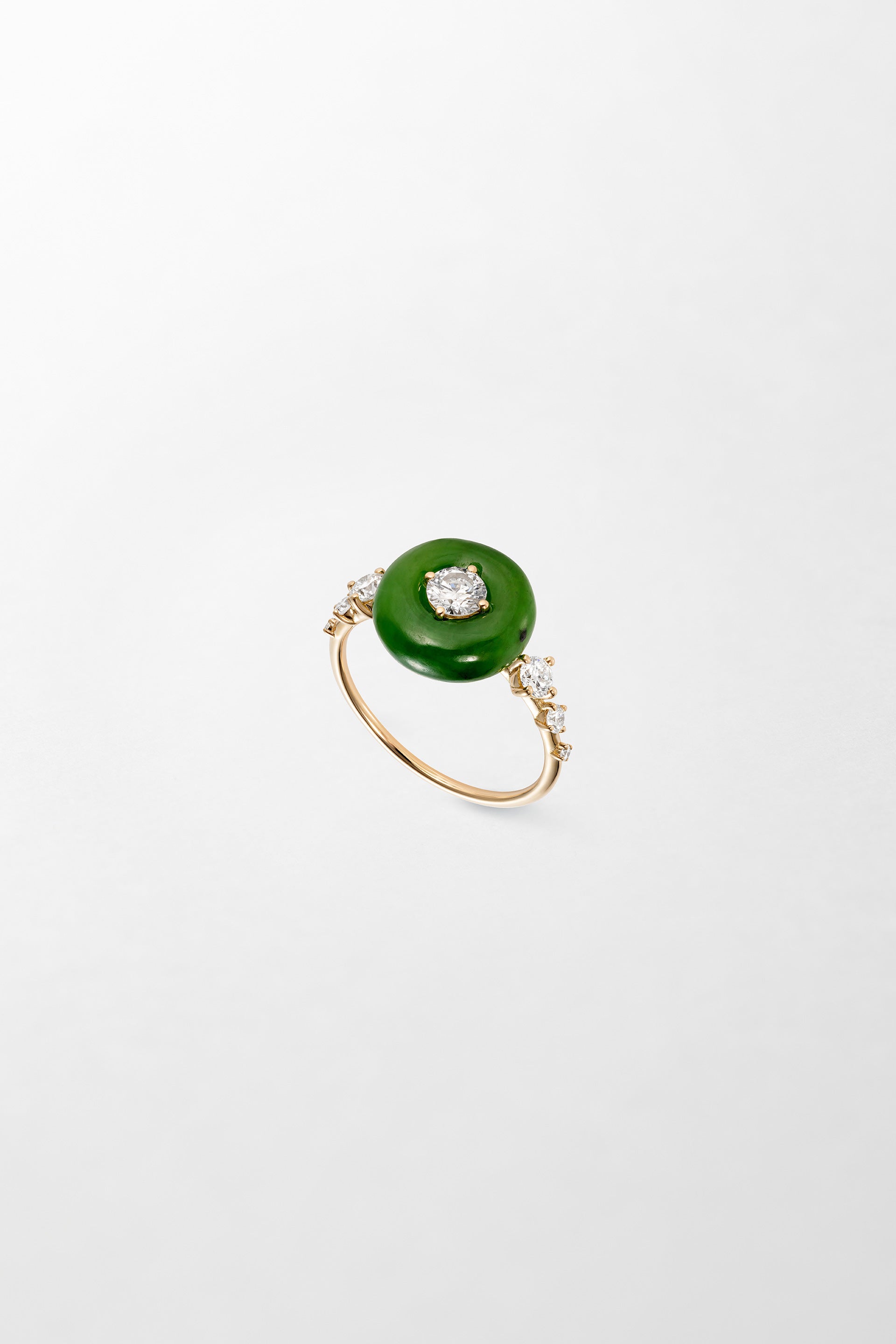
I don't have an extensive collection. I am really selective in what I buy. Things that I feel elevate my skin tone are really good. I know what I love: I love greens, I love emeralds, I like yellow diamonds. I like yellow gold or really vibrant platinum. They make me look brighter and happier.
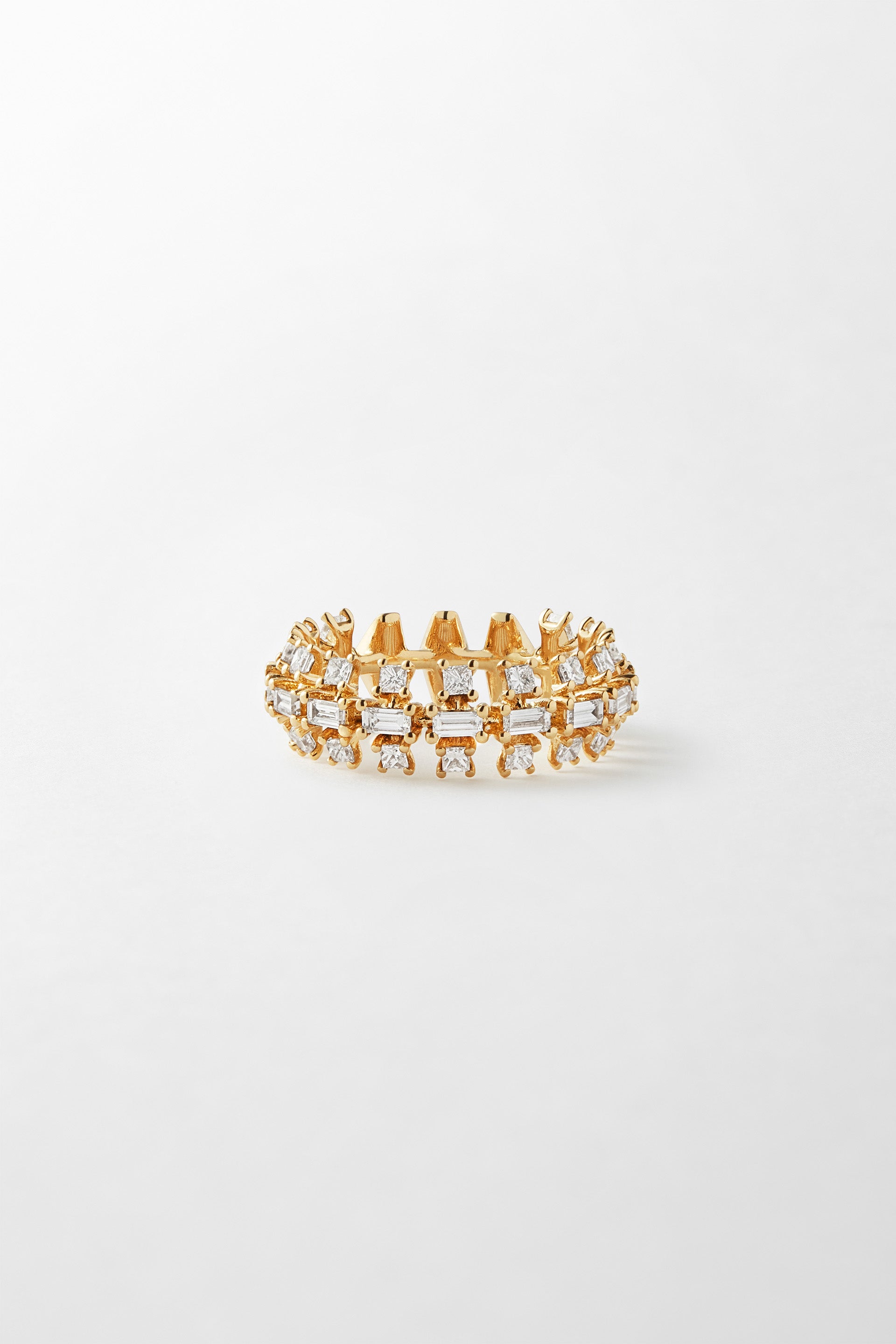
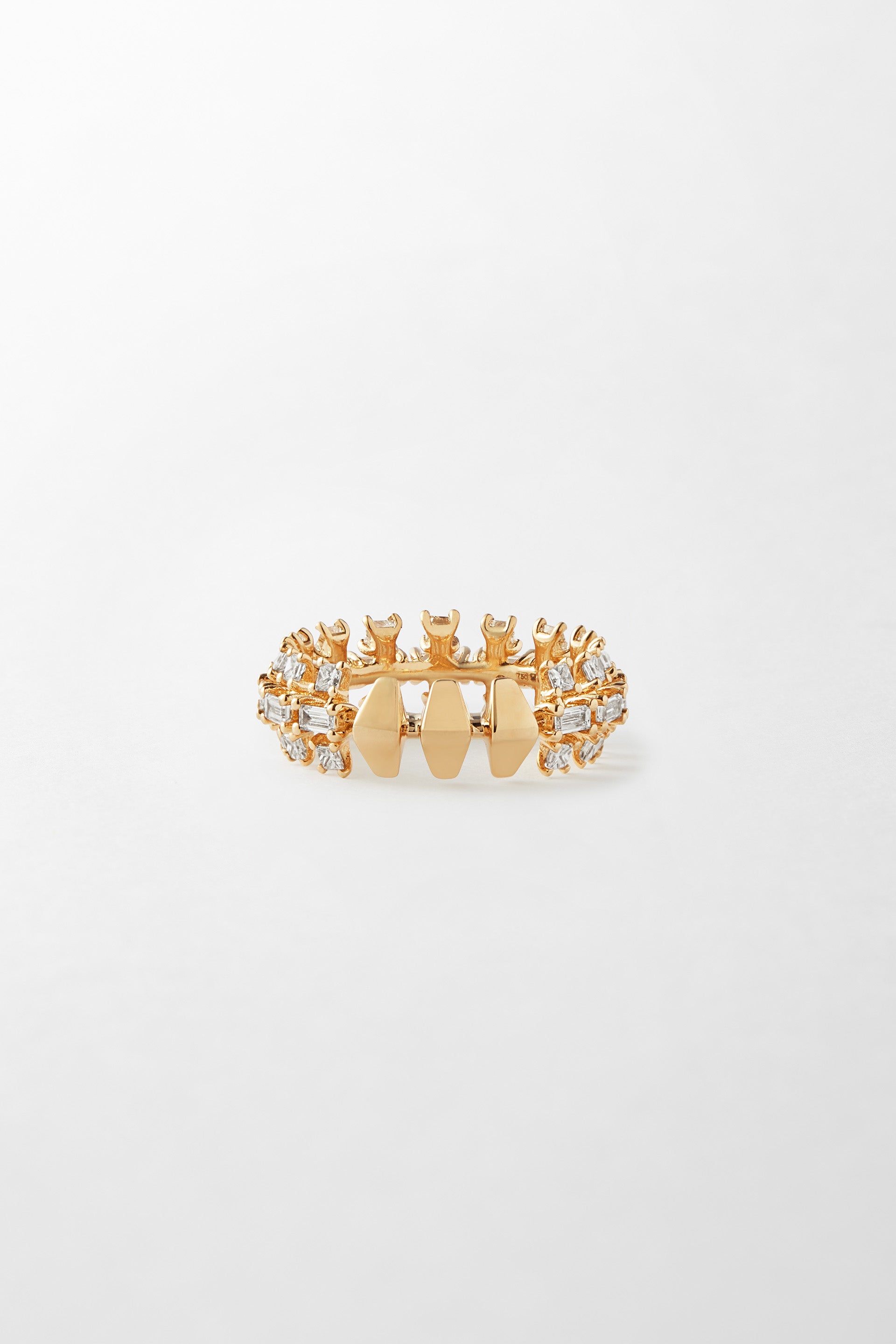
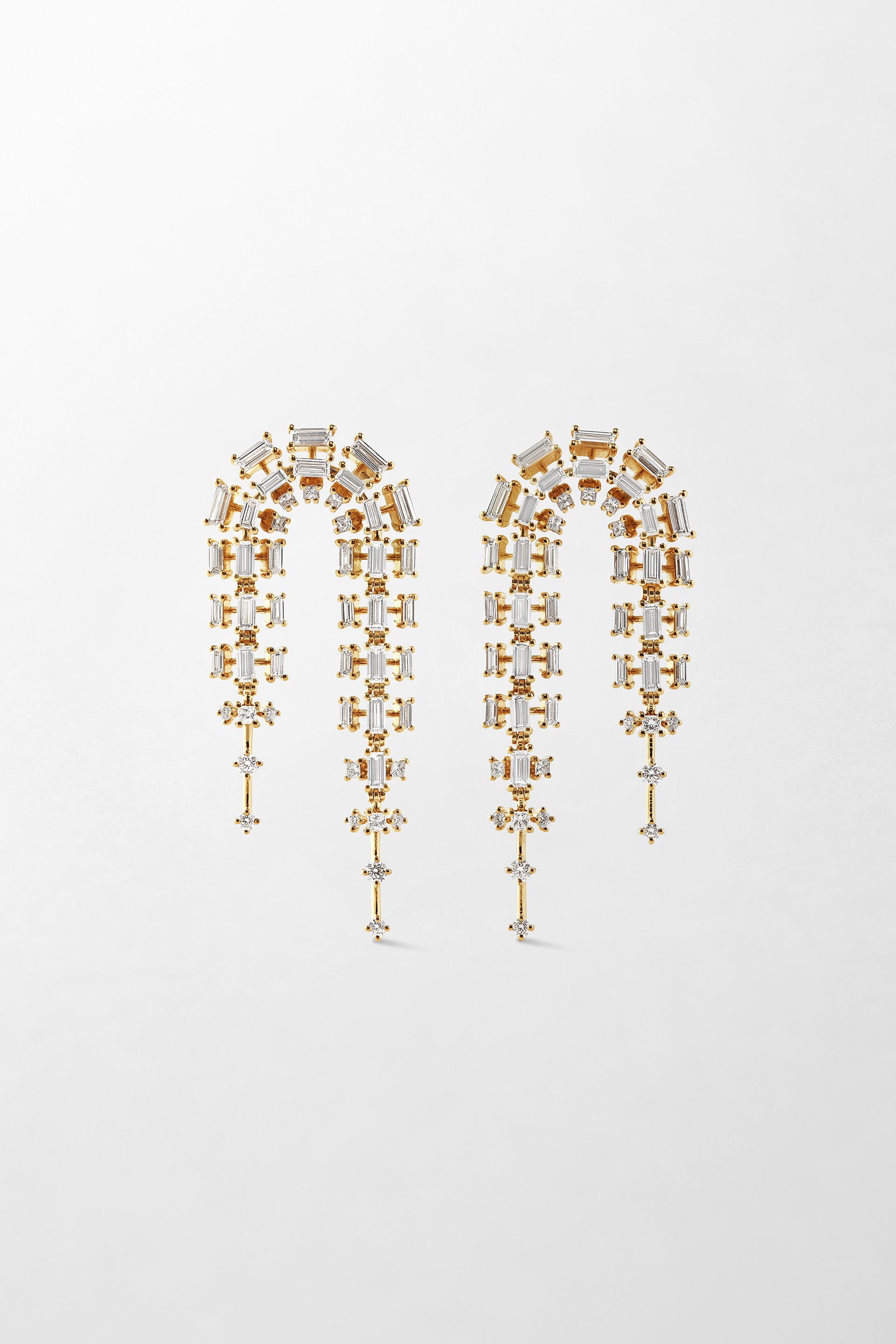
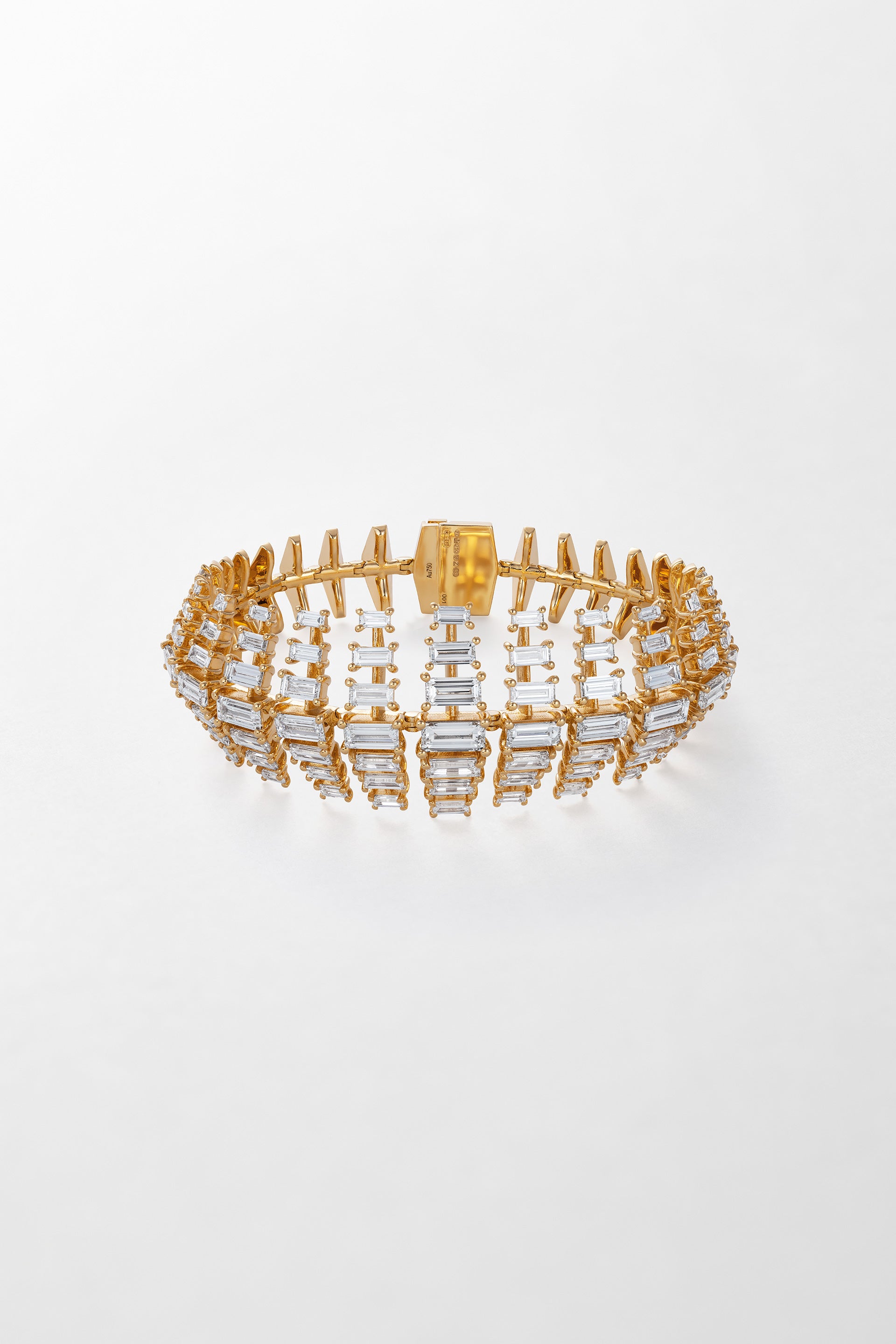
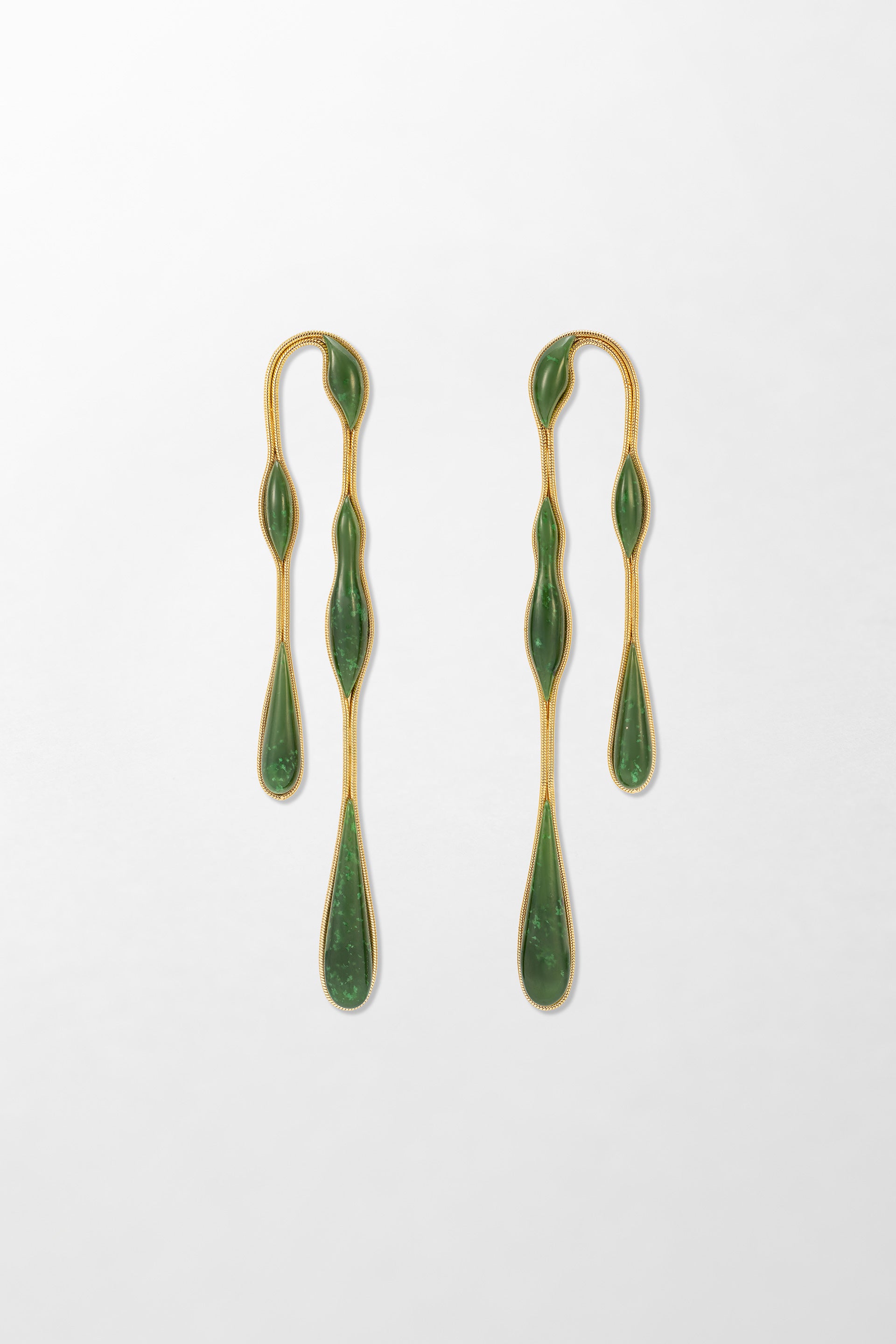
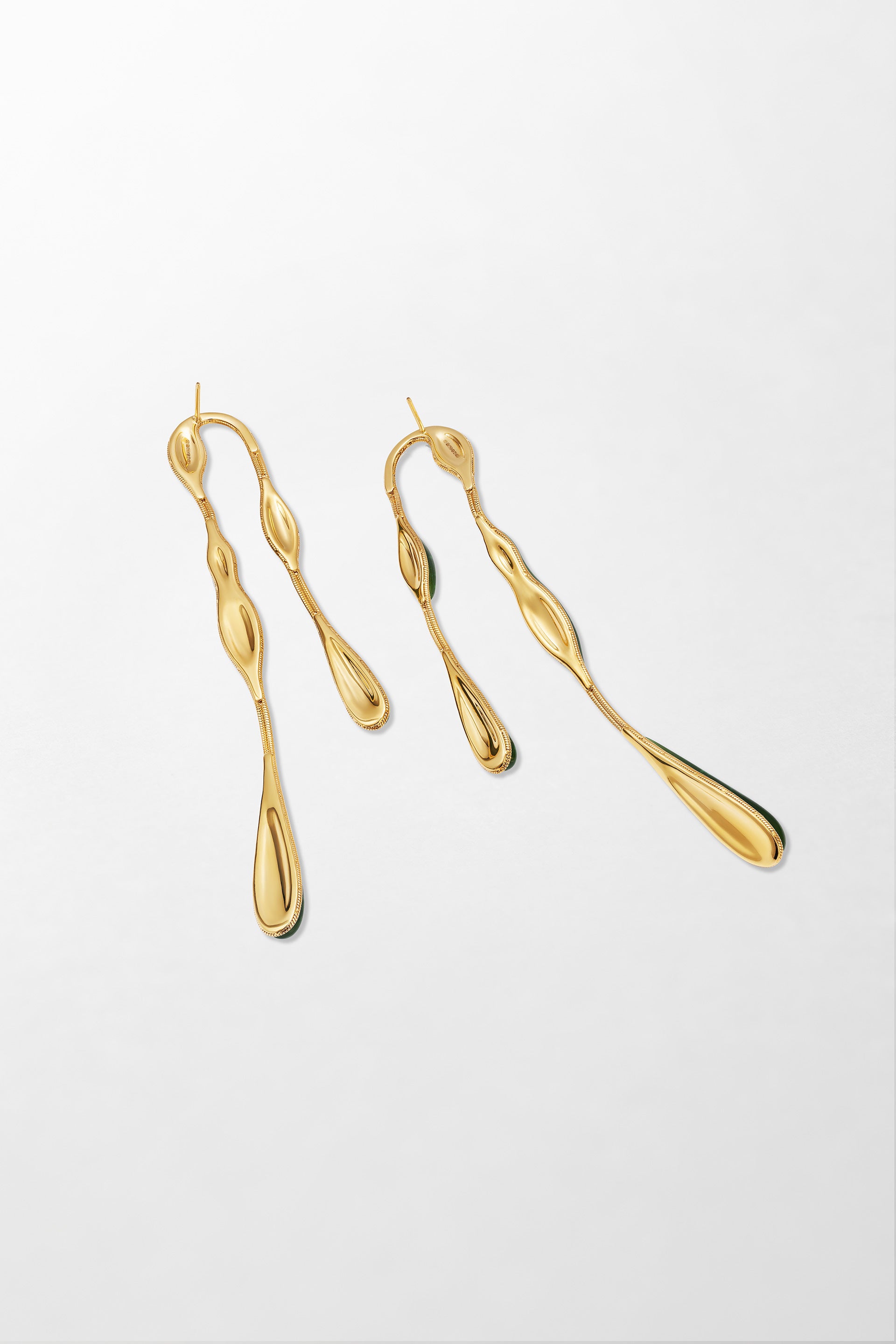
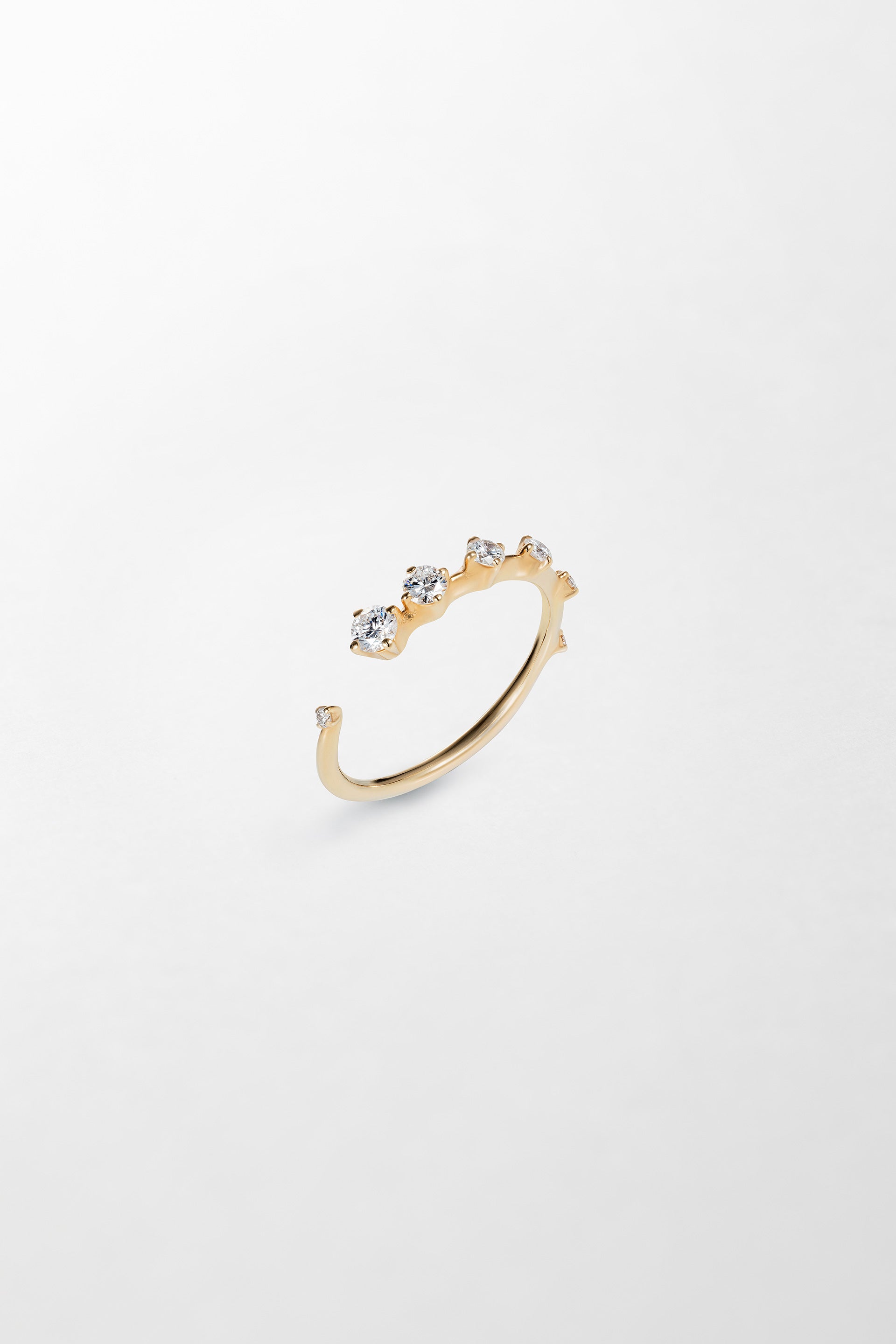
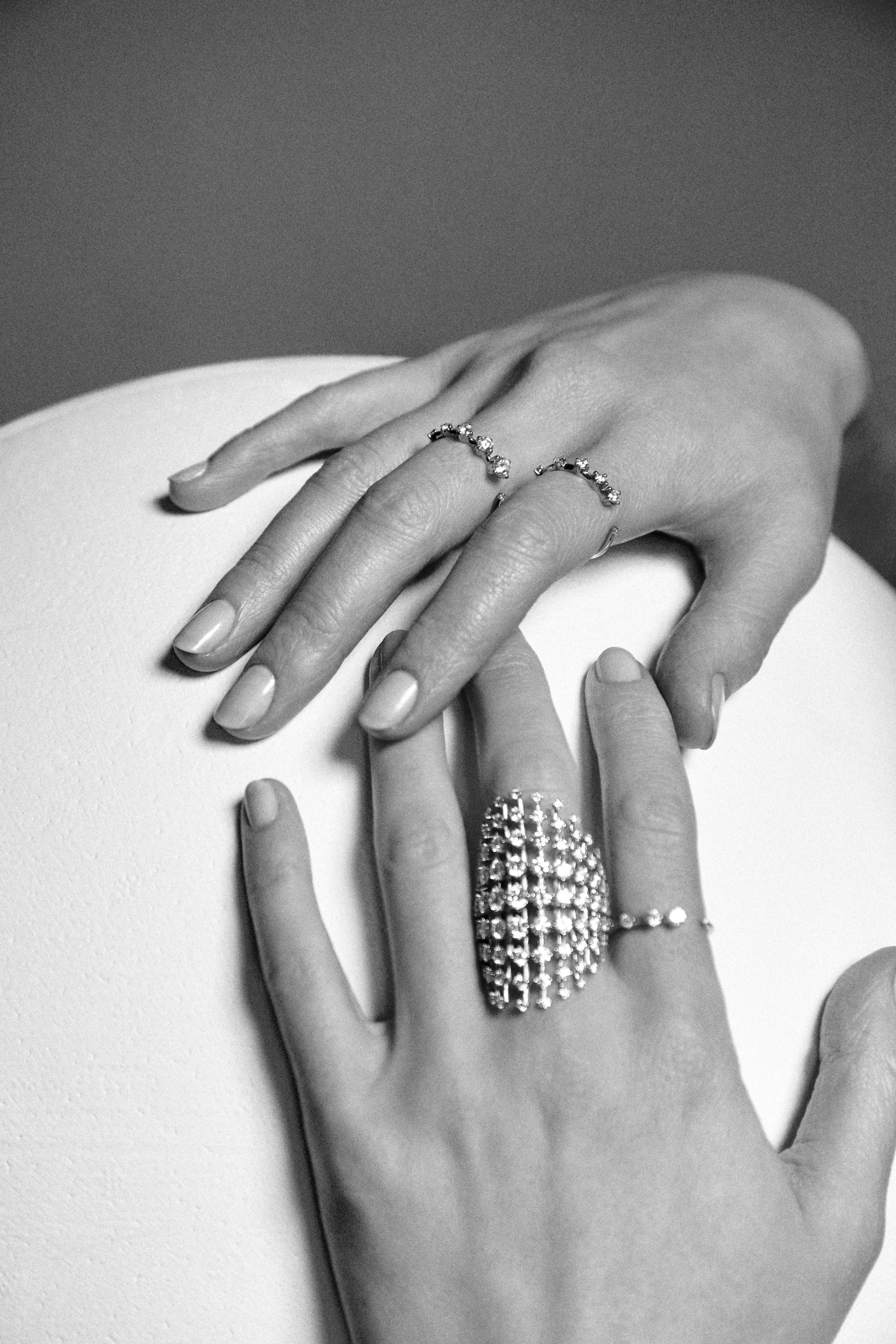
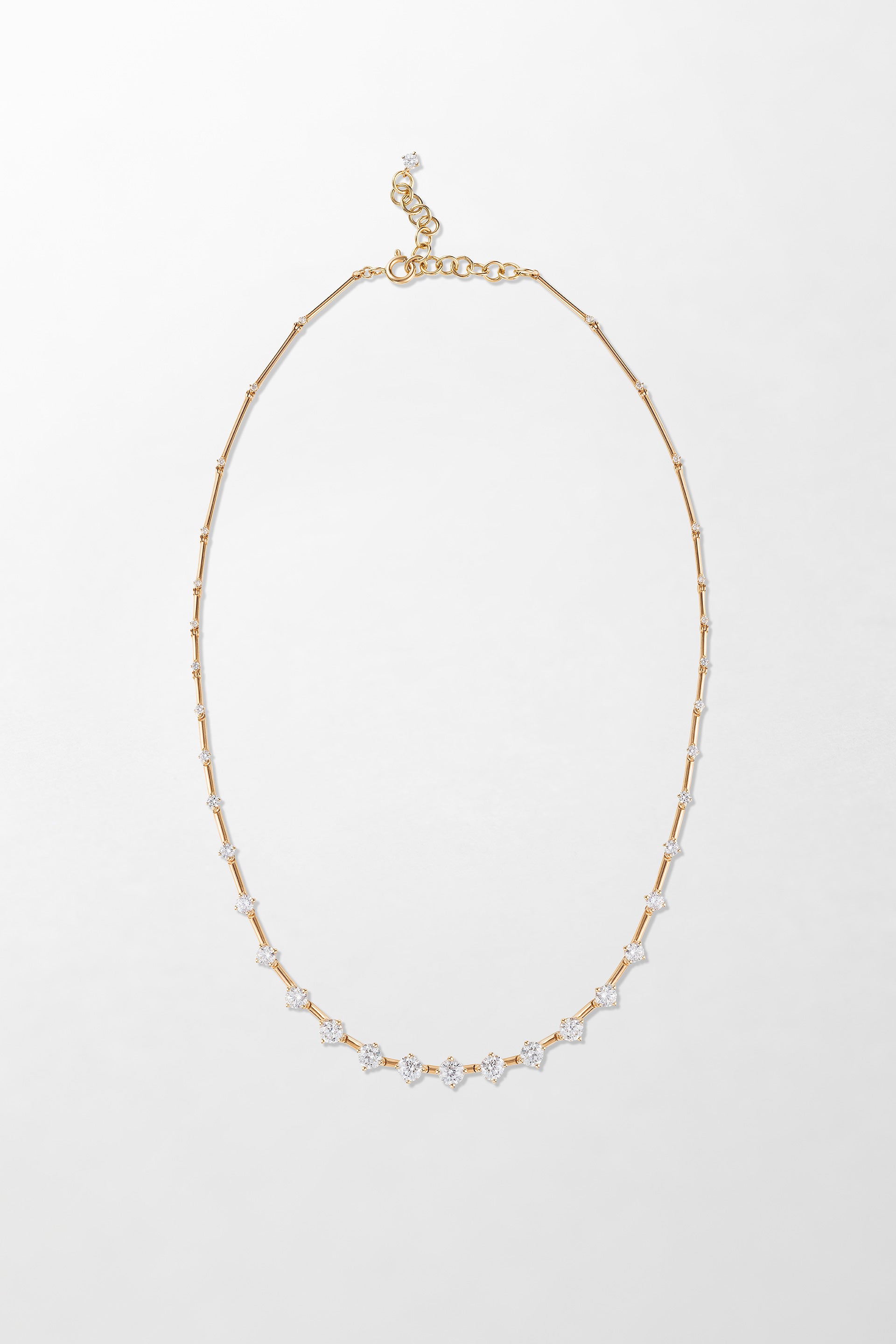
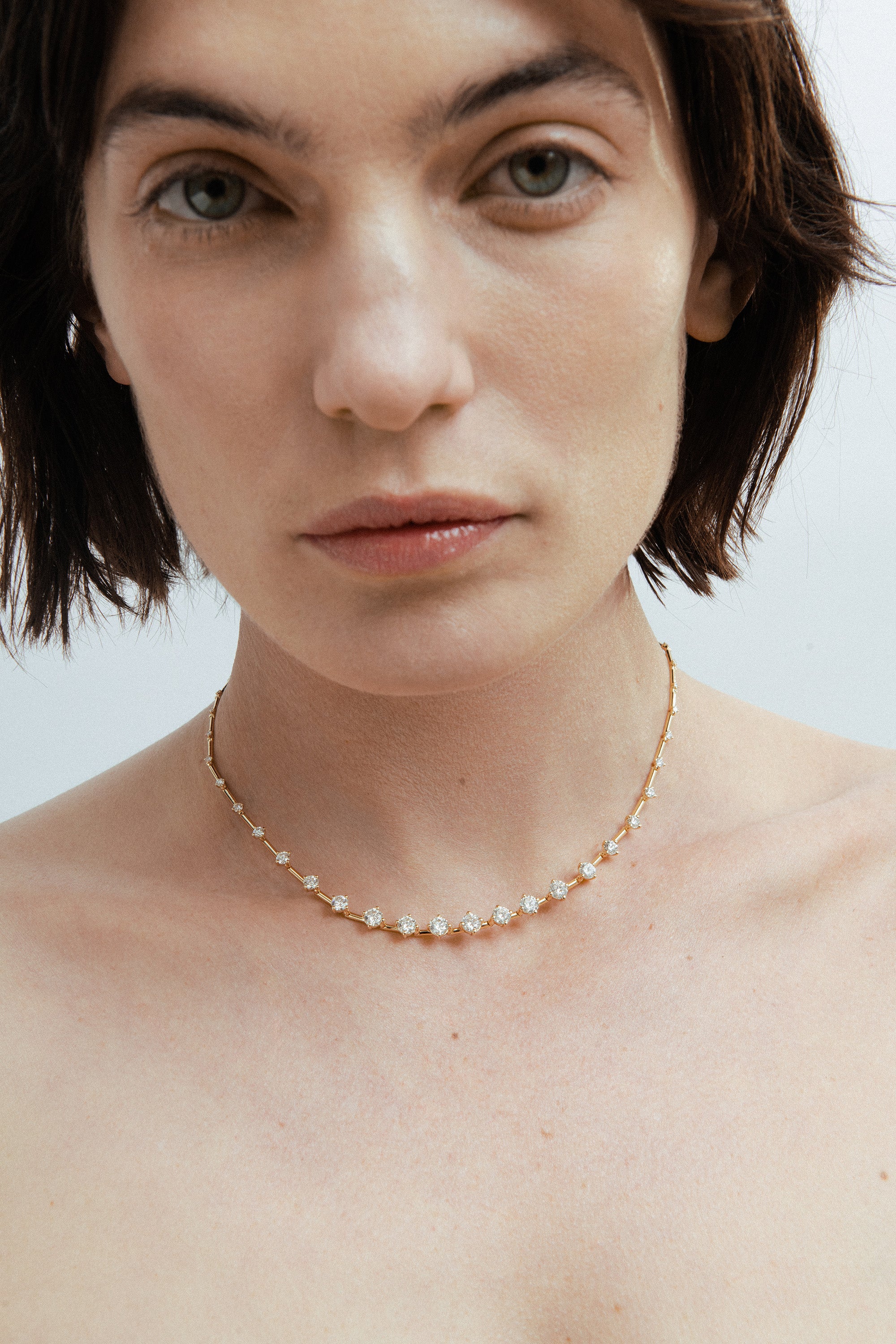
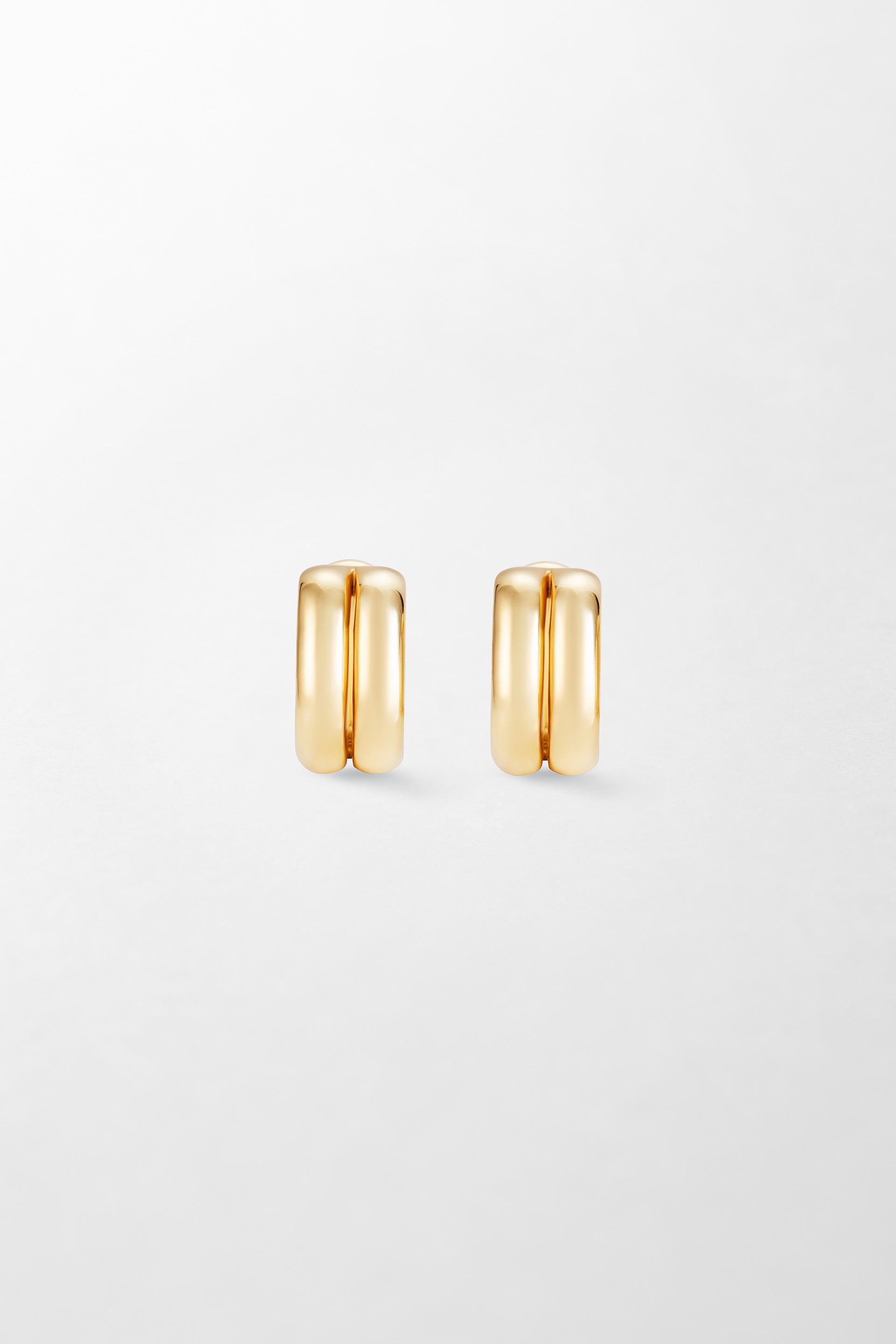
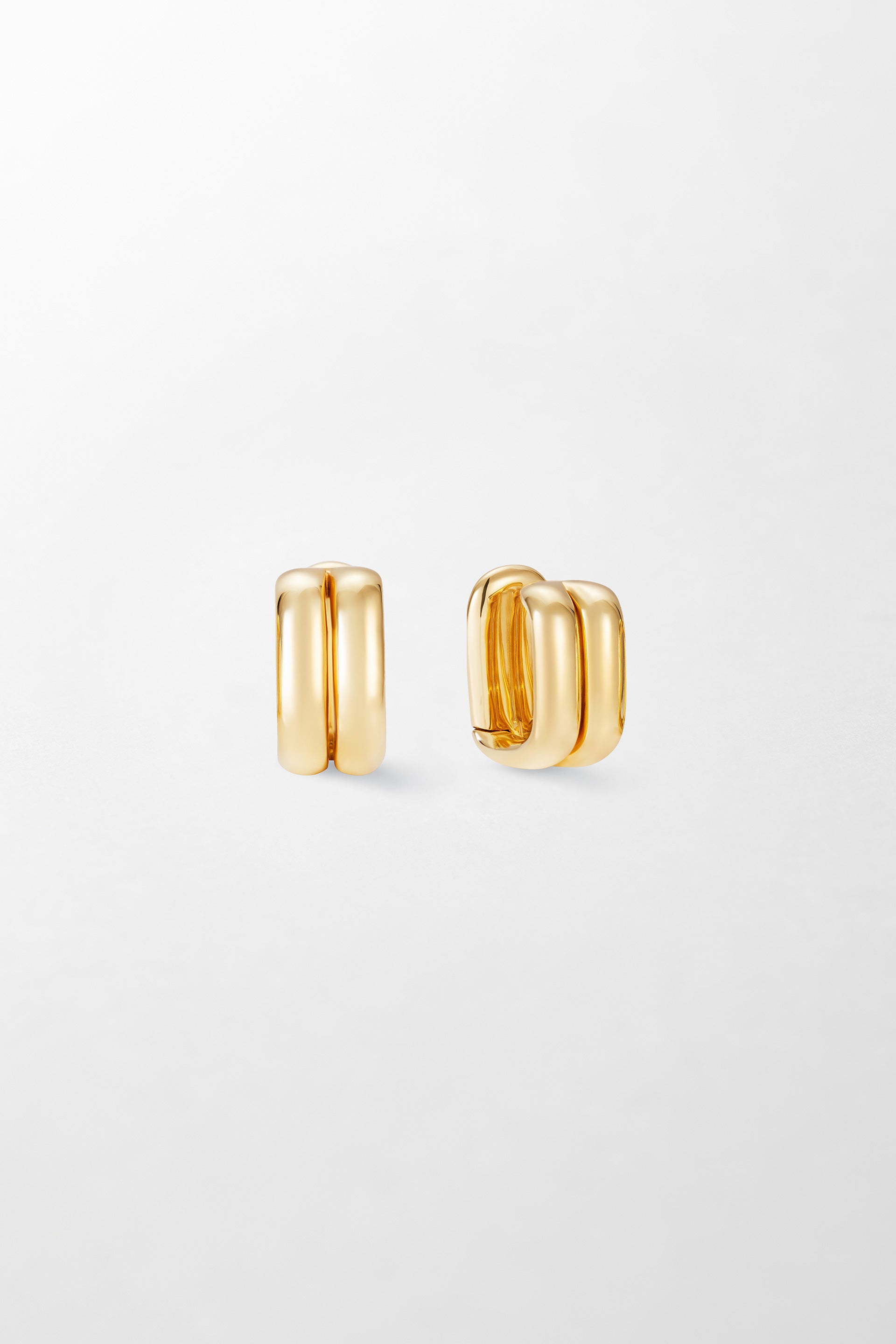
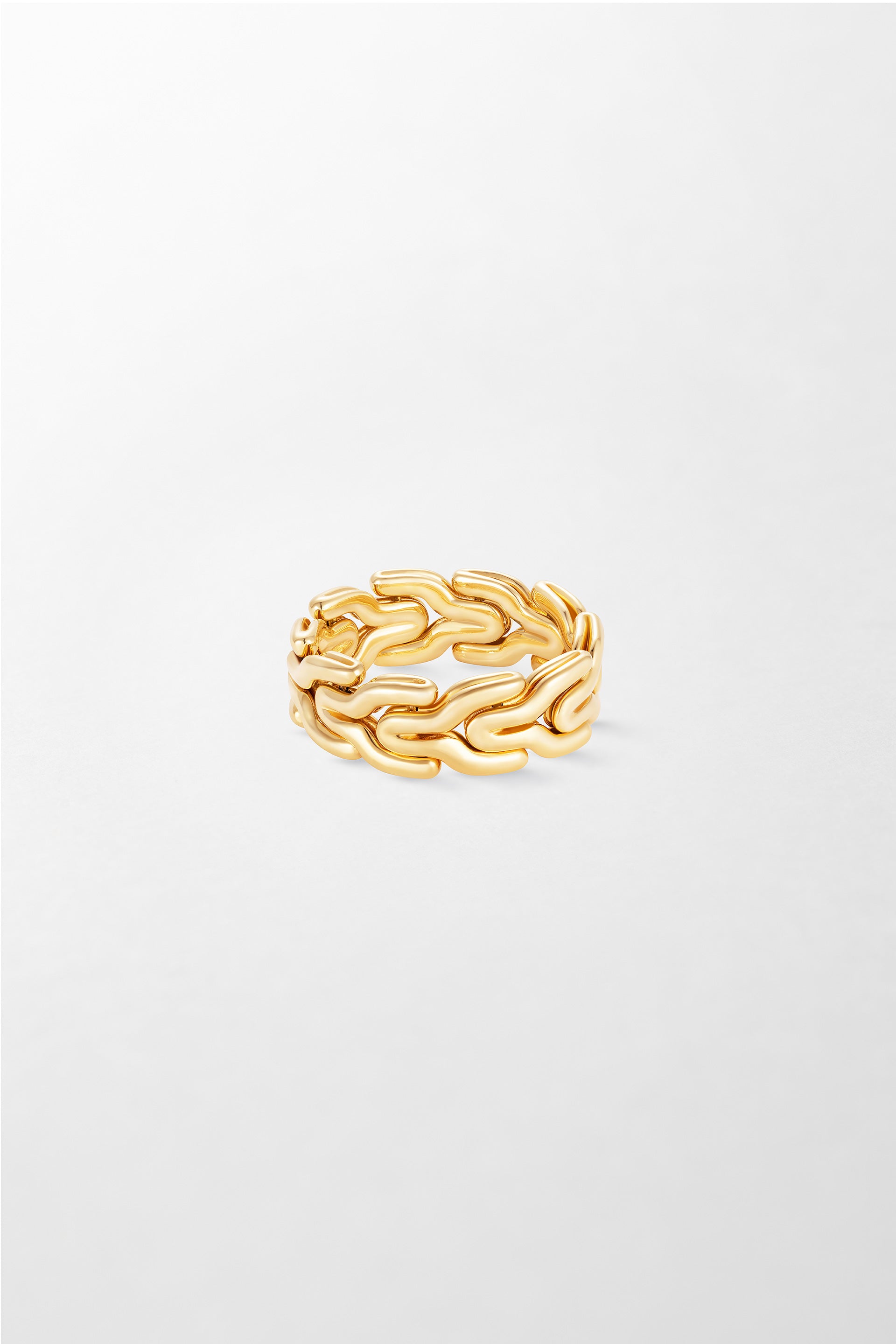
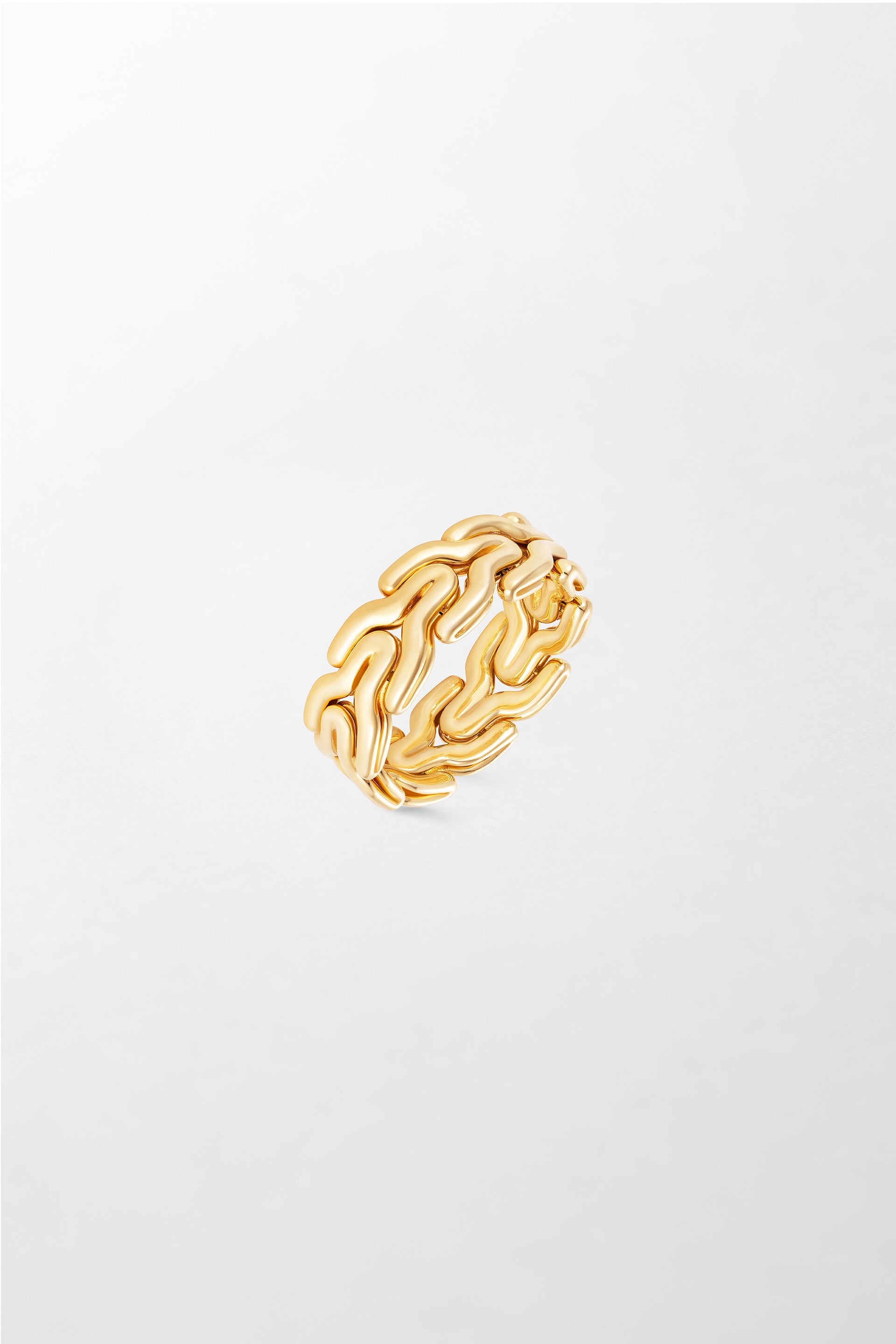
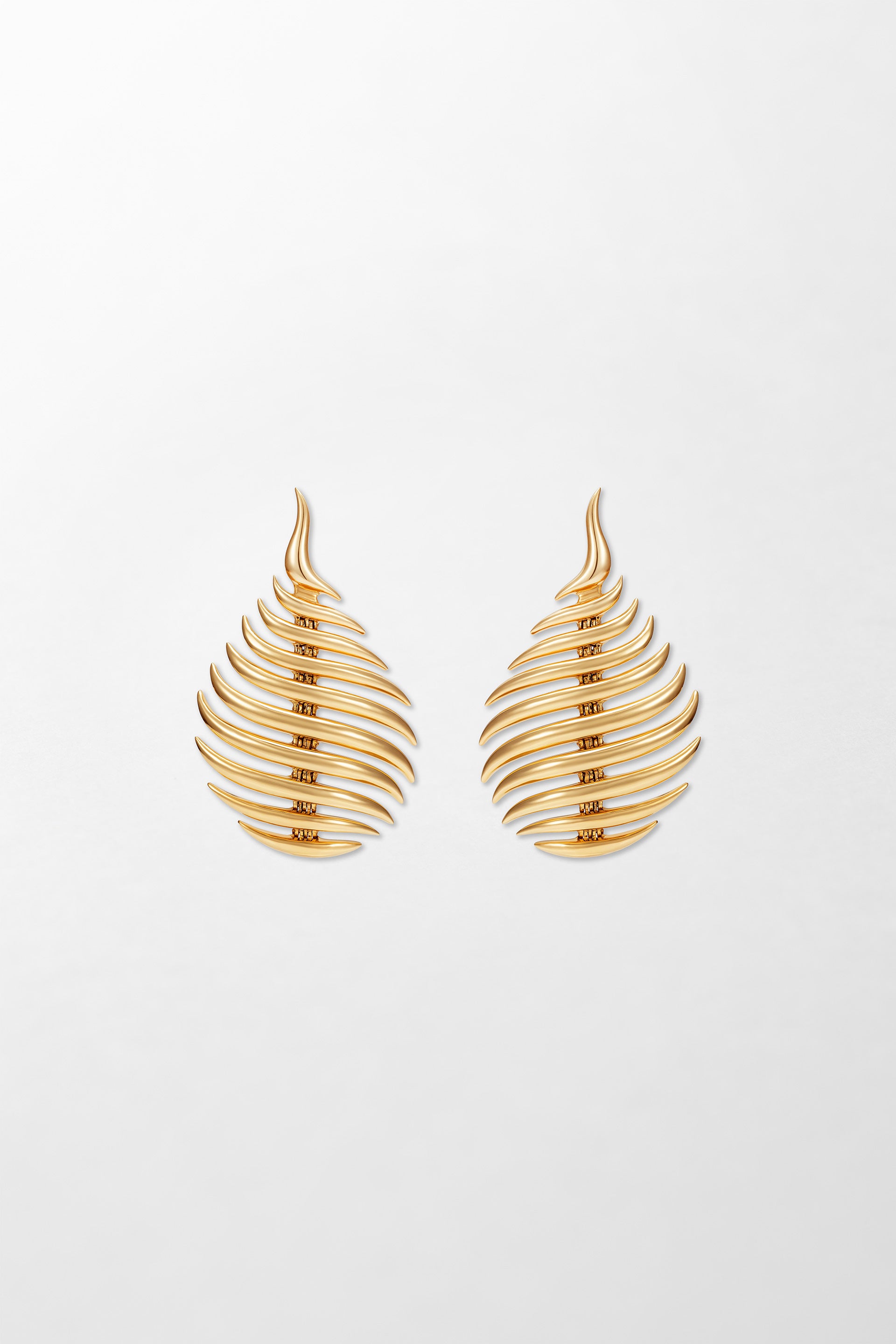
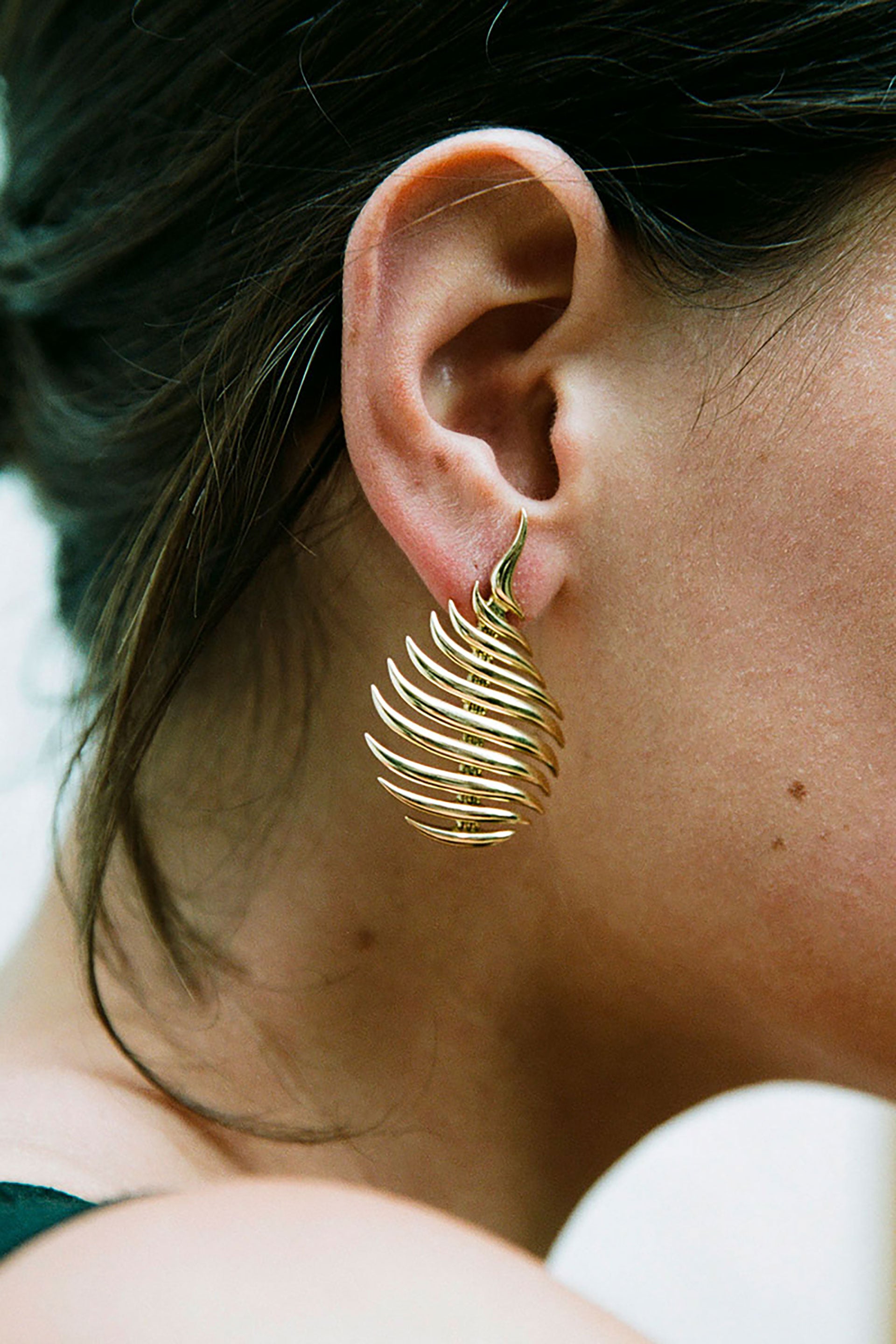
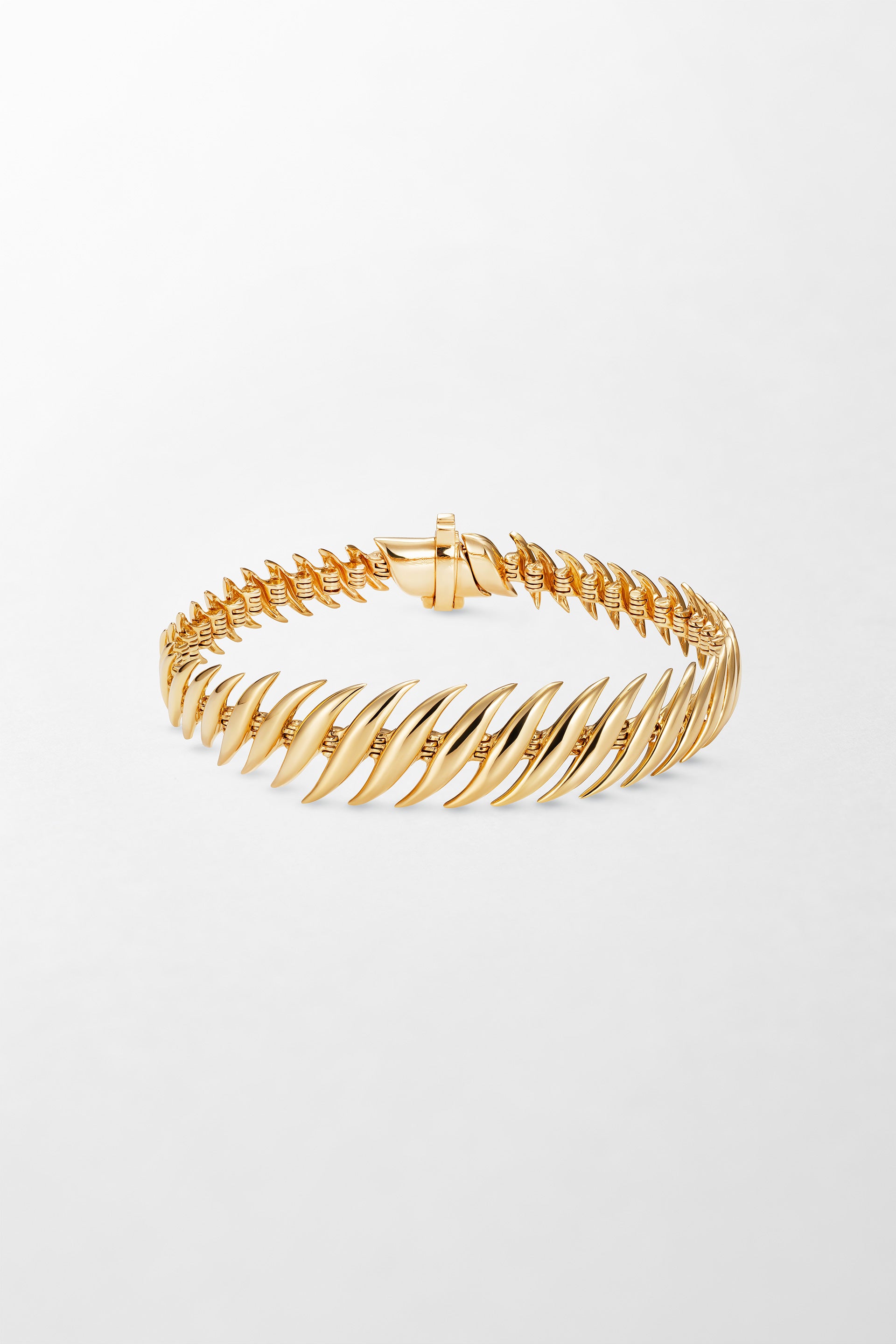
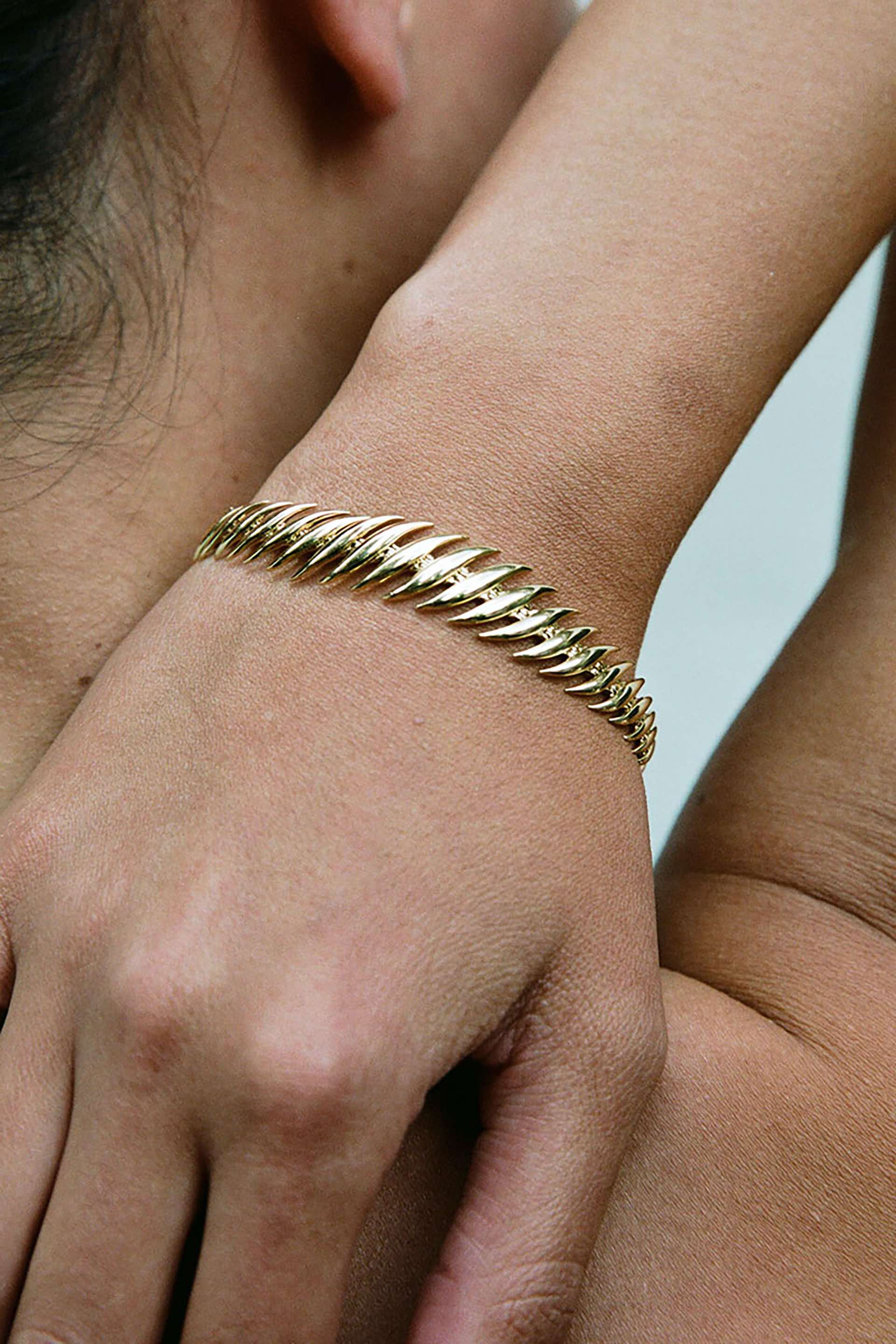
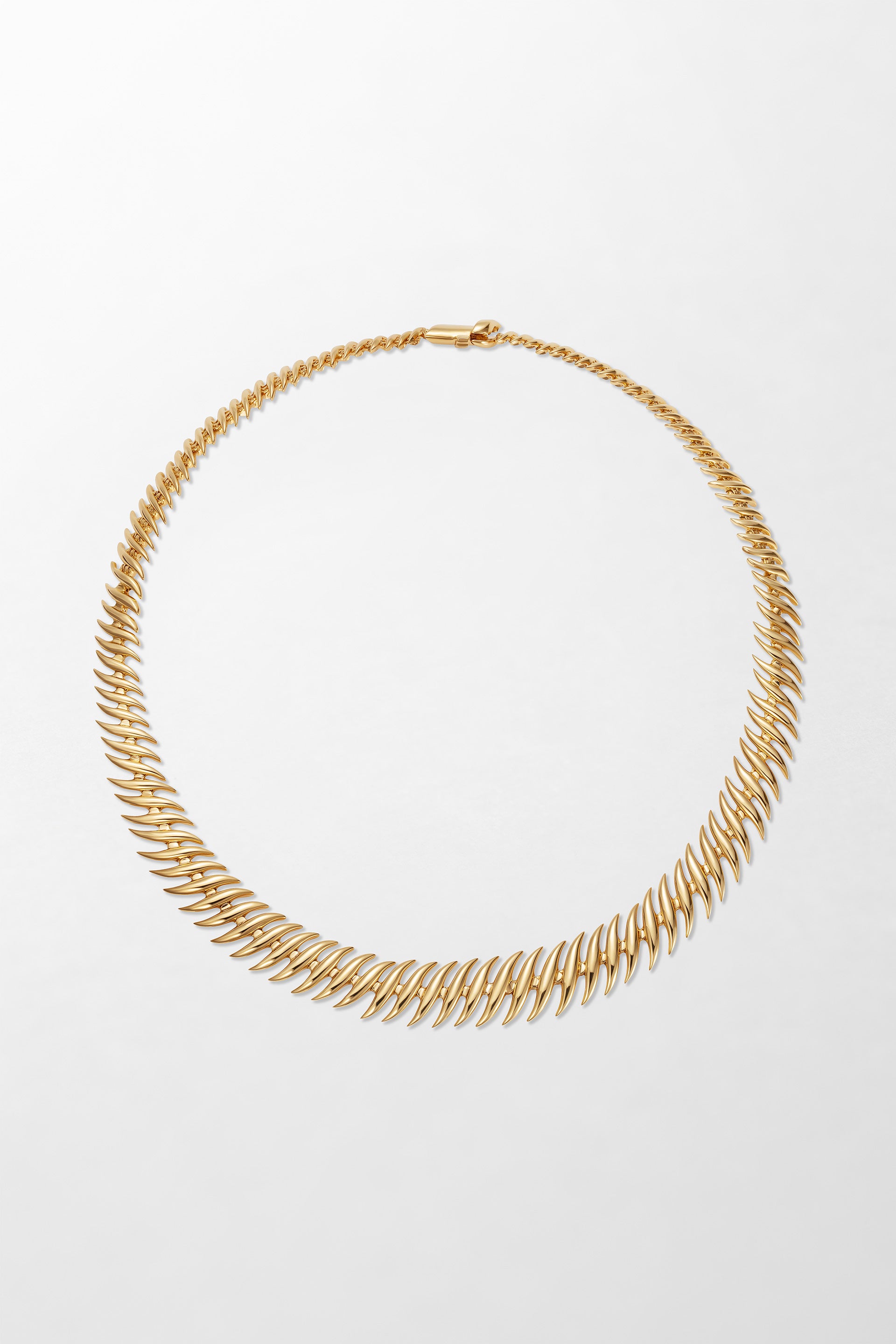
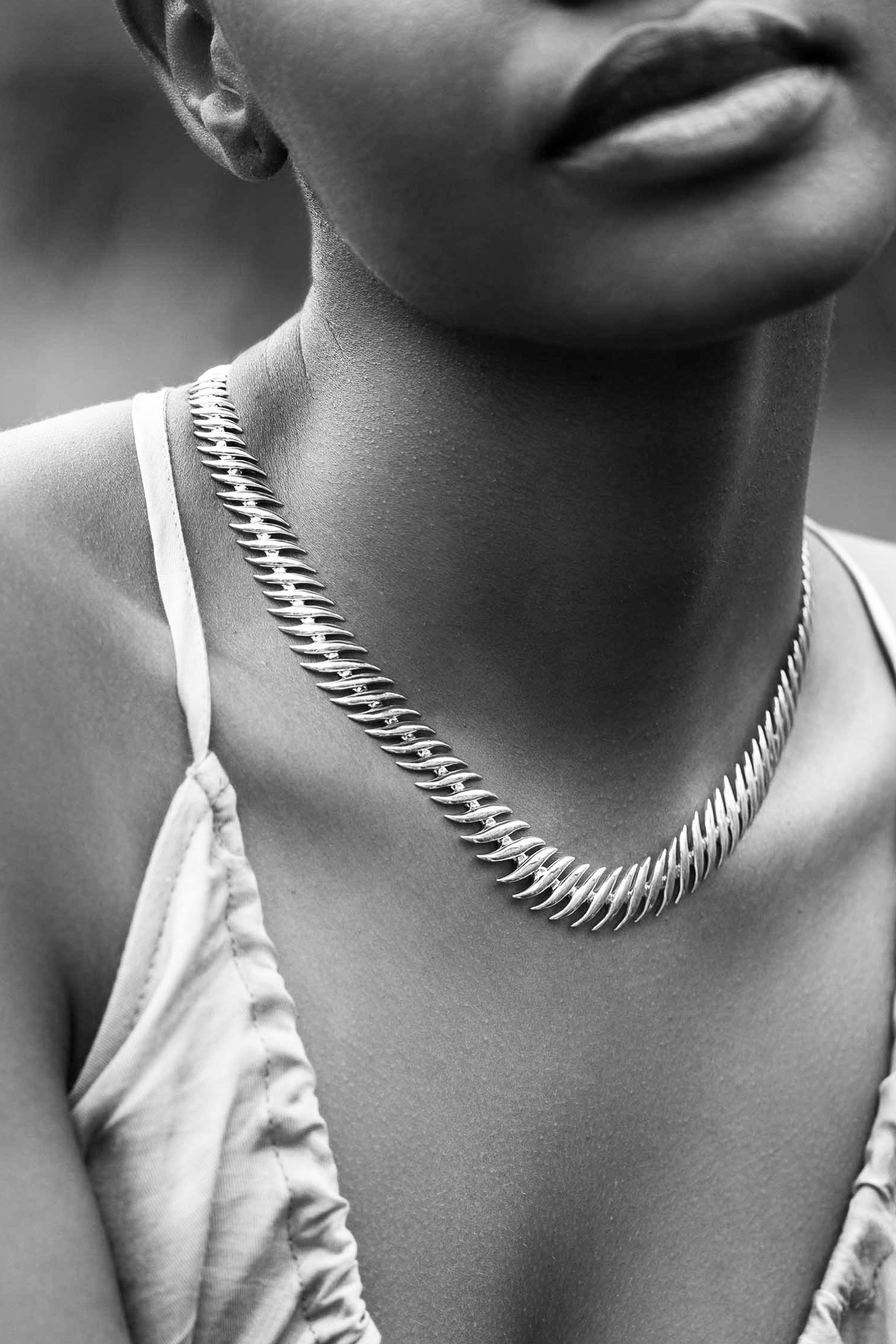
I also like things that are connected to strong memories, the pieces that I've worn for big moments. They bring their collection of joy every time you wear them. I wore amazing pieces from Fernando for the coronation of Charles III and Camilla. Of everything I was wearing, they were the pieces that people said, ‘God, those are really beautiful.’ And then you feel more beautiful, of course!